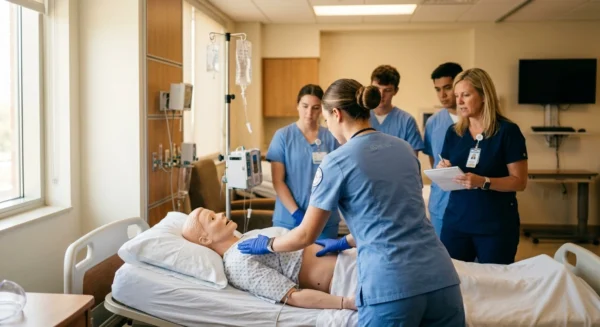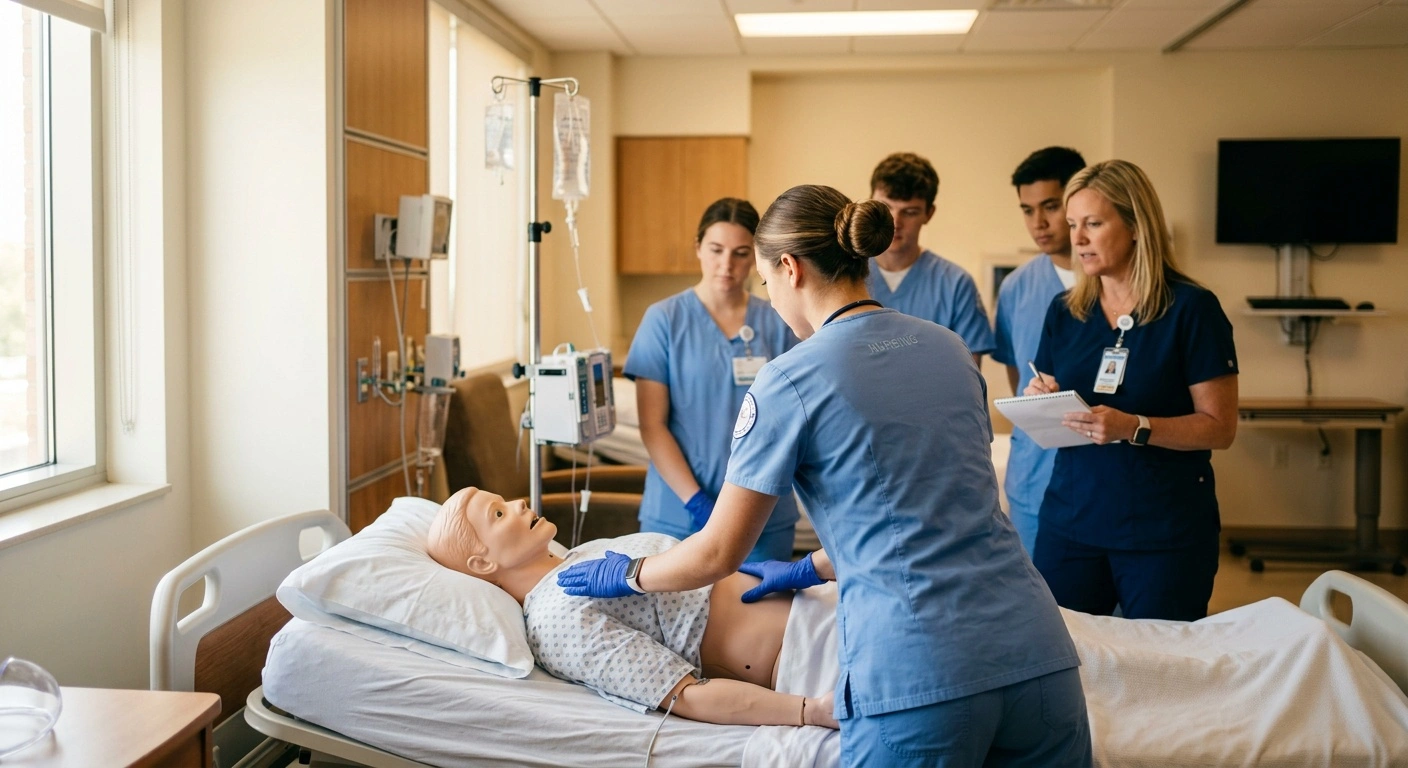
Clinical rotations Ohio nursing students complete turn classroom lessons into supervised patient care. These placements help students build judgment, technical skills, and confidence across several care settings.
Each nursing program handles placements differently. However, most students can expect firm compliance deadlines, changing schedules, and regular feedback from instructors or preceptors.
How Clinical Rotations Ohio Nursing Programs Arrange Placements
Nursing schools usually coordinate clinical sites on behalf of their students. Programs may work with hospitals, clinics, long-term care facilities, public health agencies, and behavioral health centers.
Students rarely choose every site or shift. Faculty must balance course objectives, site capacity, instructor availability, and agreements with healthcare organizations.
Clinical rotations Ohio nursing programs assign may involve daytime, evening, overnight, or weekend shifts. Travel requirements can also vary, especially when nearby facilities have limited space.
Common Clinical Settings
Prelicensure nursing students typically rotate through several specialties. The exact mix depends on the degree, curriculum, and available clinical partners.
- Adult medical-surgical nursing
- Maternal and newborn care
- Pediatric nursing
- Mental and behavioral health
- Community and public health
- Long-term and rehabilitative care
- Critical care or emergency nursing
Advanced practice students complete placements that match their population focus and certification track. For example, a family nurse practitioner student needs experience across different ages and primary care needs.
Requirements Before the First Clinical Shift
Programs and clinical partners set health, safety, and documentation requirements. Missing a deadline can delay a placement or prevent a student from attending a scheduled shift.
Requirements differ by school and facility. Students should follow their program’s instructions rather than rely on a general checklist.
Health and Safety Records
A program may request immunization records, tuberculosis screening, a physical examination, or other health documentation. Some sites also set specific influenza or COVID-19 policies.
Students often need Basic Life Support certification from an approved provider. They must keep that certification current throughout the rotation.
Background Checks and Drug Screening
Many nursing programs and healthcare facilities require criminal background checks. A site may also request fingerprinting or drug screening before it grants access.
Students should disclose concerns to the appropriate program official early. Faculty can explain school policies, but they cannot guarantee that a clinical partner will accept every student.
Training and Facility Access
Clinical sites often require privacy, infection control, workplace safety, and electronic records training. Students may also need identification badges, parking permits, or facility-specific orientation.
Complete each module before the deadline and save confirmation records. Access problems on the first day can cost valuable clinical time.
What to Expect During a Nursing Rotation
A clinical day often begins before the scheduled shift. Students may review assignments, gather supplies, and join a pre-conference with their instructor.
During the shift, students assess patients, document care, administer medications within program rules, and communicate with the healthcare team. The instructor or preceptor determines which tasks a student may perform.
Students should never attempt an unfamiliar procedure without guidance. Ask for supervision before starting, even when the unit feels rushed.
Patient Assignments
Early rotations may focus on basic assessments, hygiene, mobility, and safe communication. Later courses often add medication management, care planning, prioritization, and more complex patient assignments.
The workload grows as students demonstrate safe practice. Instructors still expect students to recognize their limits and request help promptly.
Documentation and Care Plans
Programs may require clinical worksheets, care plans, reflection notes, or electronic charting. These assignments connect bedside observations with nursing diagnoses, interventions, and patient outcomes.
Protect patient privacy in every document. Follow school and facility rules when storing notes or discussing clinical experiences.
How to Prepare for Each Shift
Good preparation starts the day before clinical. Check the location, start time, dress code, parking instructions, and items your instructor expects you to bring.
Review relevant skills and common medications when the program provides an assignment in advance. Avoid memorizing isolated facts without understanding indications, risks, and nursing considerations.
Pack Useful Clinical Supplies
Your program will provide a required equipment list. Common items include a stethoscope, watch, penlight, bandage scissors, black pens, and a small notebook.
Bring food, water, and any approved personal medication. Clinical shifts can run for several hours, and breaks may depend on activity in the unit.
Plan for Ohio Travel and Weather
Ohio weather can change quickly during the academic year. Allow extra travel time for snow, ice, heavy rain, road construction, and early morning traffic.
Keep your vehicle fueled and maintain a backup transportation plan. If unsafe conditions affect travel, contact the instructor through the program’s official process.
Building Strong Clinical Skills
Technical ability matters, but instructors also assess preparation, communication, professionalism, and response to feedback. Arrive ready to work and remain engaged throughout the shift.
Introduce yourself clearly to nurses, patients, and other team members. Explain your student role before providing care.
Ask Focused Questions
Questions show good judgment when they protect patients or clarify care. First, review the chart and use available learning resources when appropriate.
Then ask a specific question that explains what you already know. This approach helps instructors identify the exact point that needs clarification.
Use Feedback During the Next Shift
Write down feedback after clinical while the details remain fresh. Choose one or two changes to practice during the next shift.
If an evaluation seems unclear, request a private conversation with the instructor. Use specific examples and focus on the course standard.
Managing Scheduling and Placement Challenges
Clinical schedules can change because of staffing, unit capacity, instructor availability, or facility policies. Check school email and the learning platform often.
Keep work and family commitments as flexible as possible during clinical courses. Programs may offer limited alternatives when a student cannot attend an assigned placement.
Missed Clinical Hours
Schools set their own attendance and make-up rules. Contact the instructor immediately if illness, an emergency, or unsafe travel prevents attendance.
Do not assume that another shift will satisfy the requirement. The replacement experience must meet the course objectives and program policy.
Concerns About a Clinical Site
Report safety, harassment, discrimination, or supervision concerns through the program’s designated channel. Record dates, instructions, and relevant facts without copying protected patient information.
For routine placement preferences, speak with the clinical coordinator early. A request does not guarantee reassignment, but timely communication gives staff more room to respond.
A Practical Approach to Ohio Nursing Rotations
Successful clinical rotations require preparation, reliable communication, and attention to patient safety. Students should track every deadline and confirm requirements directly with their nursing program.
Clinical rotations Ohio nursing students undertake can be demanding, but each shift offers specific lessons. Focus on safe practice, useful feedback, and steady improvement rather than trying to master everything at once.