Pediatric nursing careers give registered nurses several ways to support children and their families across different care settings. Nurses can work in primary care, hospitals, schools, specialty clinics, home health, or community programs. Each path requires strong clinical judgment, clear communication, and an understanding of child development.
Why Consider Pediatric Nursing Careers?
Pediatric nurses care for patients from infancy through adolescence. They adjust assessments and treatments based on each child’s age, size, development, and medical needs.
The work also involves parents, guardians, and other caregivers. Nurses explain care plans, teach families practical skills, and help children cope with unfamiliar procedures.
Pediatrics can suit nurses who value variety and long-term professional growth. Career options range from routine wellness visits to complex critical care.
Education and Licensing Requirements
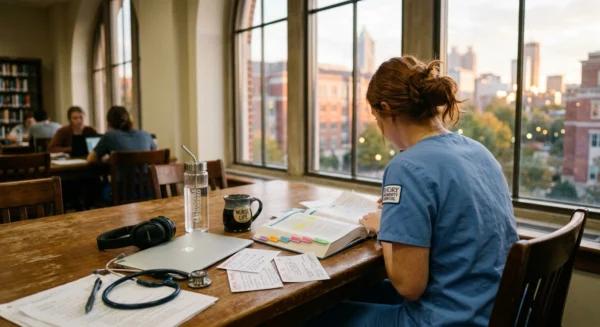
Aspiring pediatric nurses must first become registered nurses. They can earn an associate degree in nursing or a Bachelor of Science in Nursing. Graduates must then pass the NCLEX-RN and meet their state’s licensing requirements.
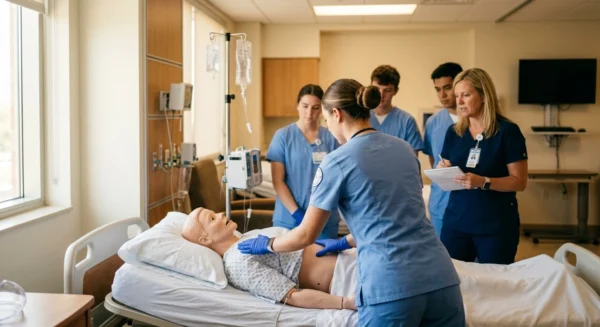
Some employers prefer candidates with a bachelor’s degree, especially for hospital positions. Clinical rotations in pediatrics can help students build relevant skills and professional contacts.
After obtaining a license, nurses can seek pediatric roles and complete workplace training. Employers may also require Basic Life Support or Pediatric Advanced Life Support credentials.
Pediatric Nursing Certification
Professional certification can demonstrate pediatric knowledge and experience. The Pediatric Nursing Certification Board offers the Certified Pediatric Nurse credential to eligible registered nurses.
Eligibility rules include pediatric practice requirements, so nurses should review current standards before applying. Certification does not replace state licensure or employer training.
Advanced Practice Education
Registered nurses who want greater clinical responsibility can become pediatric nurse practitioners. This route requires graduate nursing education, national certification, and advanced practice licensure.
Pediatric nurse practitioners may focus on primary care or acute care. Scope-of-practice rules vary by state, so prospective students should research local requirements.
Common Pediatric Nursing Career Paths
General Pediatric Registered Nurse
General pediatric nurses work in hospitals, outpatient clinics, and medical offices. They administer medications, monitor symptoms, assist with procedures, and teach families about follow-up care.
These nurses often coordinate with pediatricians, pharmacists, therapists, and social workers. Strong organization helps them manage changing priorities throughout a shift.
Pediatric Intensive Care Unit Nurse
Pediatric intensive care unit nurses treat children with serious injuries, illnesses, or complications. They monitor patients closely and respond quickly to changes in condition.
PICU nurses use advanced equipment and collaborate with multidisciplinary teams. The role usually requires prior pediatric or critical care experience, depending on the employer.
Pediatric Emergency Nurse
Pediatric emergency nurses assess children who need immediate care. Cases may include fever, breathing problems, allergic reactions, injuries, poisoning, or behavioral emergencies.
The pace can change without warning.
Emergency nurses must recognize urgent symptoms while helping distressed children and caregivers. Many departments provide additional training in pediatric triage, trauma, and resuscitation.
Pediatric Oncology Nurse
Pediatric oncology nurses care for children with cancer and blood disorders. They administer treatments, track side effects, manage symptoms, and provide education.
These nurses often build long-term relationships with families. The work requires technical skill, emotional steadiness, and close attention to treatment protocols.
School Nurse
School nurses support student health during the academic day. They manage chronic conditions, respond to injuries, administer authorized medications, and promote disease prevention.
They also create care plans for students with conditions such as asthma, diabetes, or severe allergies. State and district requirements for school nurses differ.
Home Health Pediatric Nurse
Home health nurses care for children who need ongoing medical support outside a facility. Some patients use feeding tubes, ventilators, mobility equipment, or other medical devices.
Nurses monitor the child’s condition and teach caregivers how to provide safe daily care. They must work independently while communicating with the broader clinical team.
Pediatric Nurse Practitioner
Pediatric nurse practitioners assess patients, diagnose conditions, and develop treatment plans within their legal scope of practice. They may order tests, prescribe medications, and provide preventive care.
Primary care PNPs often manage routine health needs and stable chronic conditions. Acute care PNPs typically treat patients with complex or serious illnesses.
Skills Pediatric Nurses Use Every Day
Children may describe pain or symptoms differently from adults. Pediatric nurses use observation, age-appropriate questions, and information from caregivers to complete accurate assessments.
Clear communication matters just as much as clinical knowledge. Nurses often explain the same procedure differently to a toddler, a teenager, and a worried parent.
Emotional control also supports safe care. Pediatric nurses must remain calm during emergencies without becoming distant or dismissive.
Many pediatric nursing careers require careful teamwork. Nurses share updates, verify medication doses, coordinate discharge plans, and advocate for each child’s needs.
Work Settings and Schedules
Hospitals usually offer round-the-clock coverage, so nurses may work nights, weekends, or holidays. Clinics and medical offices often follow more regular daytime schedules.
Schools generally operate during academic hours, though nurses may attend meetings or school events. Home health schedules depend on patient needs and agency staffing.
Workload and patient acuity vary by setting. Candidates should ask about orientation, staffing ratios, scheduling expectations, and access to clinical support during interviews.
Salary and Job Outlook
Pediatric nurse pay depends on education, experience, location, specialty, and employer. Advanced practice nurses generally earn more than registered nurses because they complete additional education and assume broader responsibilities.
The U.S. Bureau of Labor Statistics reports salary and employment data for registered nurses and nurse practitioners. It does not publish a separate national category for every pediatric specialty.
Prospective nurses should compare current regional data rather than rely on a single national estimate. Hospital systems and government employers may also publish salary ranges in job listings.
How to Start a Pediatric Nursing Career
Begin by completing an approved nursing program and earning an RN license. During school, seek pediatric clinical placements, internships, or volunteer roles that involve children.
New graduates can apply to pediatric residency programs or entry-level staff positions. A structured orientation can provide supervised practice with pediatric assessments, medications, and family education.
Experienced nurses can move into specialty units after building relevant bedside skills. Continuing education and professional certification may support that transition.
Choosing the Right Pediatric Nursing Path
The right role depends on your preferred pace, patient population, schedule, and level of responsibility. A clinic may suit nurses who enjoy preventive care, while a PICU demands rapid decisions and advanced monitoring.
Before accepting a position, ask to observe the unit or speak with a current nurse. Direct insight can reveal more about daily work than a job description.
Pediatric nursing careers can offer meaningful clinical work and several routes for advancement. Careful research, relevant training, and hands-on experience will help you choose a path that fits your goals.