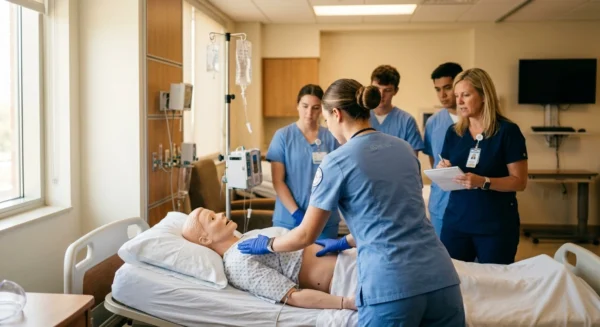
Emergency room nursing is one of the most demanding roles in healthcare, placing nurses on the front lines of high-stakes medical care. This fast-paced specialty requires sharp clinical judgment, emotional resilience, and the ability to think on your feet. Often, emergency room nurses are the first medical professionals to interact with patients in crisis, managing an array of conditions—from trauma and cardiac arrests to allergic reactions and impromptu childbirth. Whether you’re a traveler or a local resident, understanding the world of emergency room nursing can help you feel informed and prepared.
Training and Education: The Foundation of Emergency Room Nursing
Becoming an expert in emergency room nursing starts with the right education. Most ER nurses complete a Bachelor of Science in Nursing (BSN) or an Associate Degree in Nursing (ADN), followed by passing the NCLEX-RN exam to become licensed. However, the real preparation goes beyond the basics. Specialized training and certifications are essential for nurses working in high-pressure emergency settings.
Common certifications include Basic Life Support (BLS), Advanced Cardiovascular Life Support (ACLS), Pediatric Advanced Life Support (PALS), and the Trauma Nursing Core Course (TNCC). Many nurses pursue the Certified Emergency Nurse (CEN) credential to further demonstrate their expertise. These certifications equip nurses to care for a wide range of patients—including those injured hiking in national parks, suffering from heat exhaustion in desert towns, or experiencing altitude sickness at high elevations.
In areas with unique environmental risks, ER staff receive location-specific training. For example, nurses near Grand Canyon Village or Zion National Park are often trained to treat trauma caused by hiking accidents, dehydration, and sunstroke. Residency programs in busy hospitals also prepare new nurses with hands-on experience tailored to emergency medicine.
Thriving in a Dynamic Emergency Environment
The life of an emergency nurse is rarely predictable. They may start a shift treating a mild fever, only to pivot seconds later to assist with CPR on a cardiac arrest patient. Each case demands fast thinking, decisive action, and the ability to assess patients with incomplete information. Whether working in a rural hospital or a major trauma center, ER nurses must adapt constantly.
Responsibilities vary but typically include performing initial assessments, drawing labs, starting IVs, administering medication, assisting physicians, and coordinating tests. In busy tourist areas—like Myrtle Beach during summer or Lake Tahoe during ski season—emergency room nurses often treat ATV injuries, falls, sunburns, and allergic reactions caused by unfamiliar environments.
Teamwork is critical. ER nurses collaborate closely with physicians, radiology techs, and respiratory therapists. Many departments use a triage model led by nurses, supported by specialized software that helps manage patient flow. Keeping communication clear and timely ensures that even under strain, patients receive effective care quickly.
Adapting Emergency Room Nursing to Adventure-Heavy Locations
Regions known for outdoor activities—such as Aspen, Yosemite, or Key West—offer emergency room nurses a distinct set of challenges. Treating seasonal injuries like frostbite, heatstroke, animal bites, and drownings becomes part of the daily routine. In these areas, adaptability and awareness of environmental risks are essential skills.
Take Moab, Utah, for example. This adventure hub sees a range of emergency cases from mountain biking accidents to venomous snake bites. Local ER nurses often train in wilderness medicine to better serve patients in remote areas. Similarly, in Alaska’s Denali Borough, air evacuation is sometimes the only path to advanced care, demanding nurses be capable of stabilizing patients with minimal resources.
Language barriers can add to the complexity in tourist destinations with international visitors. ER nurses frequently use translation tools and visual aids to ensure accurate care. In cities like Las Vegas and Orlando, where tourism is constant, nurses need to stay vigilant for issues like alcohol-related incidents and overdoses—responding with speed and sensitivity.
Patient Readiness: How to Support Emergency Room Efficiency
While emergency room nursing is built for unpredictability, patients can help streamline care by taking a few preventative measures:
- Keep vital info handy: Carry a medical ID or a wallet card with your allergies, medications, conditions, and emergency contacts.
- Choose urgent care when appropriate: For minor wounds or non-life-threatening issues, head to an urgent care instead of the ER. Many are open late and reduce hospital crowding.
- Be patient with triage: ER nurses prioritize life-threatening conditions. That means a person with chest pain may be seen before someone with an ankle sprain.
- Pack smart for outdoor trips: A first-aid kit, reusable water bottle, and sunscreen can prevent common emergencies in remote or sun-exposed locations.
Travelers should confirm whether their health insurance covers out-of-network or out-of-state emergencies. In rural areas or national parks—such as Grand Teton or Shenandoah—the nearest ER may be far or not in-network, making coverage an important detail. Research hospitals along your route before heading off on adventure-heavy trips.
The Rewards of Emergency Room Nursing
A career in emergency room nursing is as emotionally intense as it is professionally fulfilling. Many ER nurses cite the opportunity to save lives, support families during crises, and work at the cutting edge of medicine as reasons they are drawn to the field. No two shifts look the same, offering variety and continuous learning.
Emergency nurses become integral parts of the communities they serve. In colder cities like Denver, this may mean caring for homeless individuals in subzero temperatures. In university towns or tourist hotspots, nurses often treat international visitors unaccustomed to the local environment. Their roles extend beyond medical tasks—they act as counselors, advocates, and liaisons between patients and families.
For those considering a future in emergency room nursing, start by shadowing an ER nurse or volunteering in an emergency department. The pace can be intense, but for individuals who thrive under pressure and find meaning in making a difference, it’s a uniquely rewarding path.
Whether you’re venturing into national parks or navigating a bustling city, knowing what to expect from emergency room nursing can alleviate fears and show appreciation for those standing ready to help. Across mountains, coasts, and small towns, ER nurses rise to every challenge—bringing life-saving care to anyone in need, no matter the hour.