As the global population continues to age, geriatric nursing is becoming increasingly vital. This specialized nursing discipline focuses on meeting the complex physical, emotional, and cognitive health needs of older adults. With many seniors experiencing chronic conditions and age-related changes, skilled geriatric nurses provide essential support to enhance their quality of life and independence across hospital, home, and long-term care settings.
Understanding the Scope of Geriatric Nursing
Geriatric nursing goes far beyond traditional bedside care. It combines chronic disease management, medication monitoring, fall prevention, dementia support, and family education. Nurses in this field work closely with physicians, social workers, physical therapists, and caregivers to deliver coordinated, patient-centered care. Emotional well-being is equally emphasized, as many older adults experience isolation or depression, particularly those living alone or dealing with significant loss.
Unlike acute care, which demands rapid interventions, geriatric care requires patience, detailed observation, and holistic evaluation. For example, in Asheville, North Carolina, a nurse in a retirement community may balance clinical tasks like checking blood sugars with lifestyle engagement, such as organizing tai chi classes at Carrier Park or community potlucks at local senior centers like the Grove Street Opportunity Center.
This multifaceted approach demands both clinical excellence and strong communication. Nurses often adjust how they speak or listen to compensate for hearing loss or memory issues, using a compassionate, adaptable style tailored to each individual.
Key Clinical Skills in Geriatric Nursing
Skilled geriatric nursing professionals are experts in managing long-term health conditions such as diabetes, hypertension, arthritis, and dementia. Because older adults frequently face multiple diagnoses, nurses must recognize even minor changes. Take, for instance, a nurse observing a senior’s mild fatigue and breathlessness on their weekly stroll through San Diego’s Balboa Park—this attention to detail may uncover early signs of fluid retention in a patient with heart failure.
Medication management is another pillar of geriatric practice. Polypharmacy is common among older adults, making adherence and accurate dosing essential. Geriatric nurses educate patients and families using tools like pill organizers, reminder apps like Medisafe, and clear written instructions to reduce the risk of interactions or missed doses.
Additionally, wound care is critical in preventing complications from pressure injuries and diabetic ulcers. Consider elderly hikers in Sedona, Arizona, who may unknowingly expose themselves to foot injuries due to sensory loss. A vigilant nurse provides assessments, prevention strategies, and appropriate footwear advice in such cases.
Communication and Emotional Intelligence in Elderly Care
In geriatric nursing, communication must be intentional and effective. Age-related hearing loss, cognitive changes, and vision impairment can complicate conversations. Nurses use repetition, visual tools, and speak clearly and slowly to ensure understanding. Confirming comprehension through repeat-back techniques creates safe and trusting interactions.
Emotionally, geriatric nurses build rapport through cultural awareness and empathy. For instance, in the diverse community of Queens, New York, a nurse may support an elderly patient whose wellness practices include prayer and herbal remedies. Honoring these traditions fosters cooperation and patient satisfaction while supporting holistic healing.
Grief counseling is often part of a nurse’s role. Many seniors are coping with the loss of spouses or friends. Nurses may provide emotional support or connect families with community-based services like grief groups facilitated by local YMCA branches or neighborhood centers in cities such as Portland, Oregon.
Mobility Support and Fall Prevention Techniques
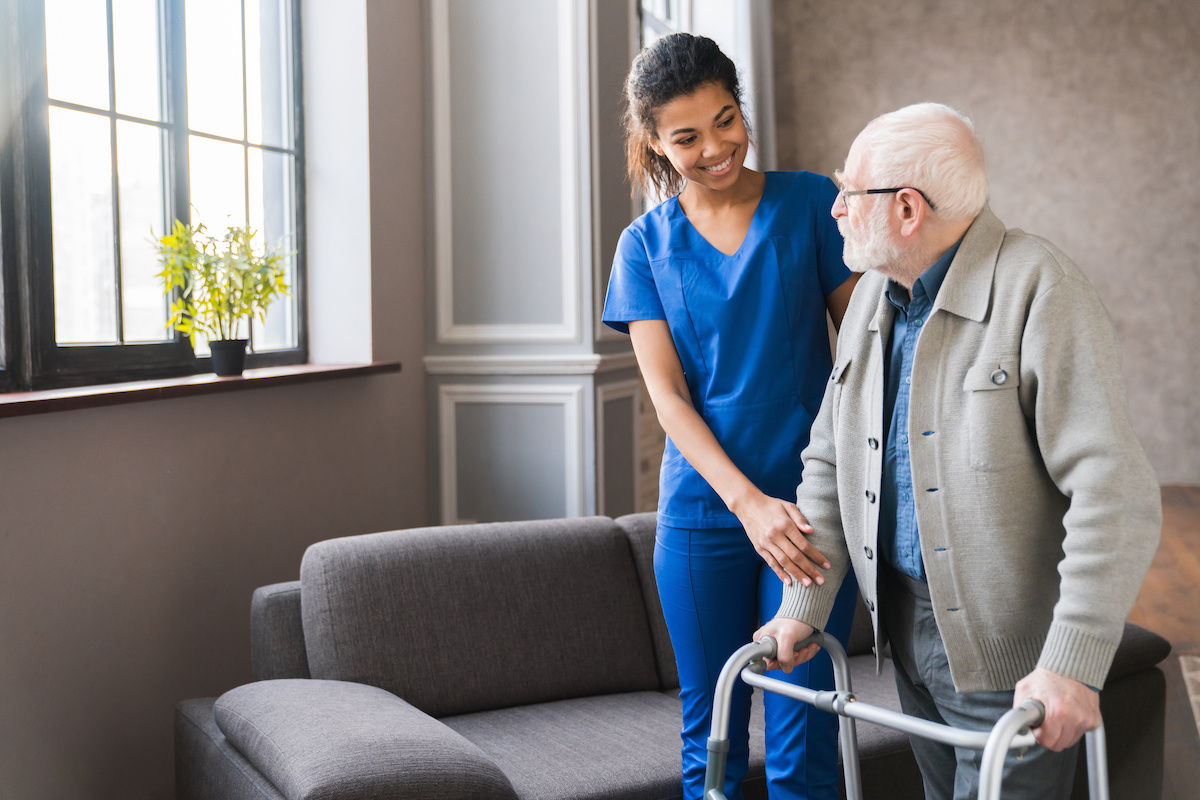
One of the top concerns in geriatric nursing is fall prevention. Falls are the leading cause of injury among the elderly, and prevention begins with identifying risk factors such as muscle weakness, balance problems, medication side effects, and impaired vision. Nurses proactively engage physical therapists, recommend safe footwear, and assess home environments to reduce hazards.
Practical measures include using gait belts, improving lighting, and installing grab bars in key areas like bathrooms. Imagine a nurse on Bainbridge Island, Washington, who arranges a home safety check following a patient’s minor fall. Simple changes—like a nonslip mat and wall-mounted shower handles—dramatically reduce the risk of future incidents.
Nurses also support outdoor mobility by recommending flat, scenic trails such as Seattle’s Discovery Park Loop Trail or Hawaii’s Temple Loop. These safe walking paths offer seniors a chance to exercise, connect with nature, and socialize—important components of both physical and emotional wellness.
Cognitive Care and Dementia Management
Dementia care is a cornerstone of geriatric nursing. Early recognition of symptoms such as forgetfulness, disorientation, or withdrawal is crucial. Nurses conduct screenings using tools like the Mini-Mental State Examination (MMSE) and implement care plans based on the patient’s abilities and preferences.
Effective dementia care incorporates consistency, routine, and soothing strategies. Approaches such as music therapy, reminiscence activities, or guided storytelling help reduce agitation and promote engagement. For example, nurses might coordinate memory cafés or sensory walks at the Denver Botanic Gardens, offering safe environments for connection and memory stimulation.
Family involvement is central to success. Educating caregivers about routines and communication methods, referring them to support networks like the Alzheimer’s Association, or suggesting assistive technologies like wearable GPS trackers empowers families and enhances safety.
Family Education and Advocacy
Geriatric nursing extends to support for family members and informal caregivers. Nurses guide families through complex issues such as long-term care planning, legal documentation, and palliative care choices. By serving as knowledgeable advocates, they help relatives make informed decisions.
Community resource navigation is key. A nurse in Charleston, South Carolina, may help veterans apply for VA Aid & Attendance benefits or connect families with Medicaid services, ensuring financial and medical support remain accessible.
Demonstrating safe mobility techniques, explaining assistive equipment, and tailoring home care routines are also integral. These educational strategies equip caregivers to provide high-quality, confident support to aging loved ones.
Continued Education and Professional Development for Geriatric Nurses
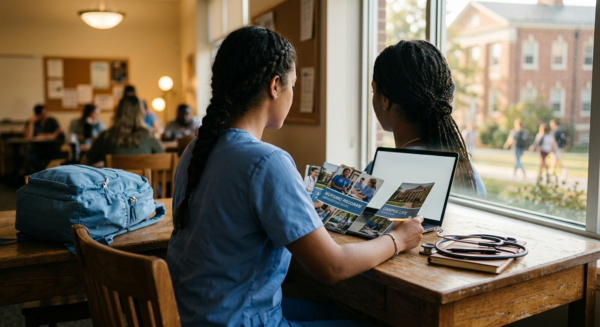
As the demand for geriatric nursing grows, so does the need for ongoing education. Many nurses pursue credentials like the Gerontological Nursing Certification from the American Nurses Credentialing Center (ANCC), solidifying their expertise and professionalism.
Workshops, seminars, and clinical simulations deepen skills in elder abuse detection, palliative care, and polypharmacy management. National organizations like the National Gerontological Nursing Association offer conferences and networking for those committed to staying informed and inspired.
Leadership missions include mentoring future nurses, advocating for elder-friendly public policies, or launching community initiatives such as fall prevention programs. These actions elevate the influence of geriatric nurses as front-line agents of positive change in health care and aging support systems.
With their blend of medical skill, emotional intelligence, and proactive advocacy, geriatric nurses play a pivotal role in elder care today. Their contributions not only improve the lives of seniors but also strengthen families facing the complexities of aging with compassion and confidence.