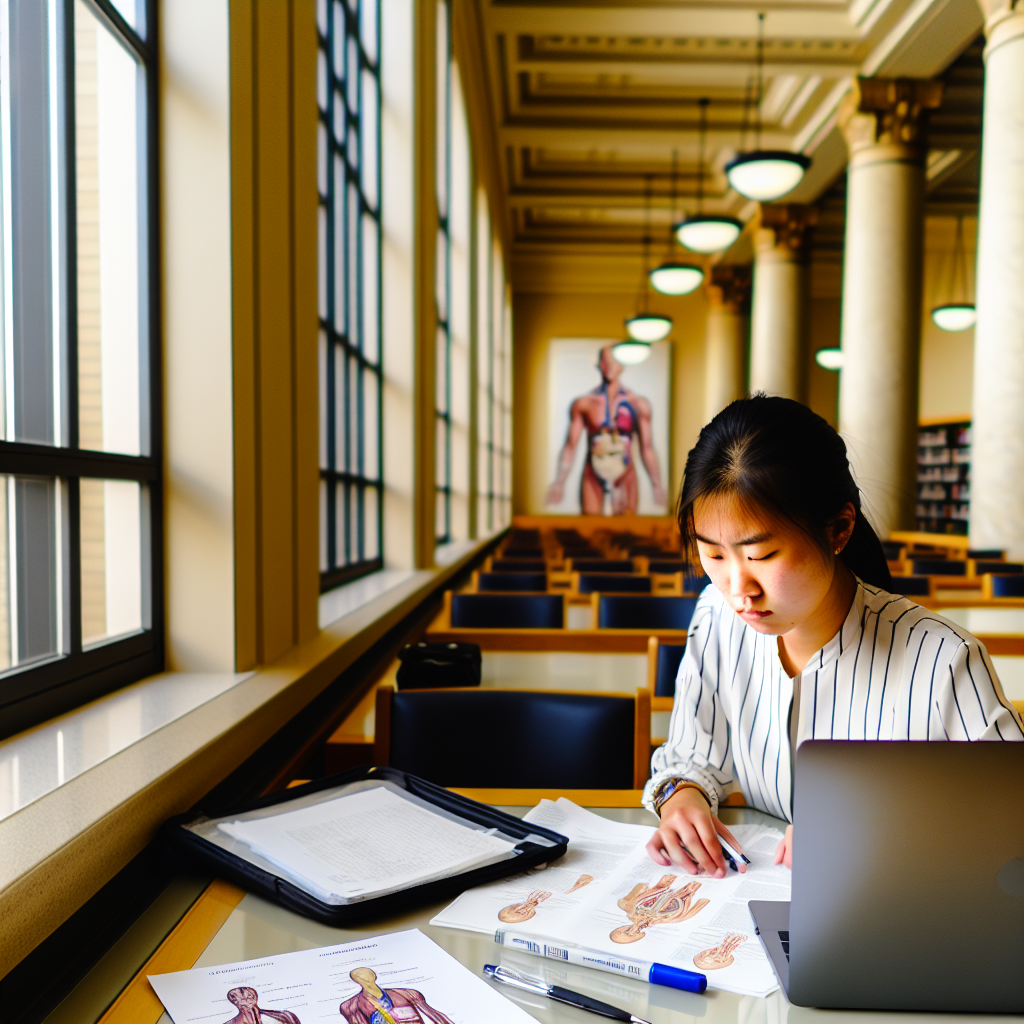
Nursing study techniques are essential tools for success—right from your first semester to the final NCLEX prep. Nursing school isn’t a sprint; it’s a long, steep mountain trail. And like any strenuous hike, mastering the journey takes more than stamina—it requires smart, research-based strategies. Ditch the caffeine-fueled all-nighters and lean into methods backed by cognitive science. In this guide, we’ve collected the most effective nursing study techniques and paired them with practical applications to boost retention, elevate performance, and minimize burnout—no matter where you’re studying.
Spaced Repetition: Build Endurance for Long-Term Recall
Spaced repetition is one of the most powerful nursing study techniques for long-term retention. Instead of massed cramming, you strategically review information at increasing intervals, reinforcing memory just before forgetting sets in. This is especially useful for courses like pharmacology, where volume and complexity run high.
Use Anki, a free flashcard app that automates spacing using a smart algorithm. Studying beta-blockers or diuretics? Build an Anki deck or download one from communities like r/NursingStudent or NurseStudy.net. Reinforce learning during your daily routine—recite facts during neighborhood walks or while commuting. This turns idle time into active retention practice.
Active Recall: Study Smarter, Not Longer
Active recall pushes your brain to retrieve information without prompts—far more effective than passively re-reading notes. It’s like strength training for your memory. Instead of summarizing your notes, close your book and write down everything you remember about a topic. Then, check and refine.
Try this before visiting nursing history landmarks. Planning to see the Florence Nightingale Museum in London? Spend 15 minutes recalling what you know about infection control. Then, match your mental outline with real-world exhibits. This technique transforms study from a chore into an interactive experience.
Interleaving: Switch Topics to Strengthen Knowledge
Traditional studying often means sticking to one topic for hours. But alternating between related subjects—known as interleaving—improves your brain’s ability to distinguish and apply knowledge effectively. For nursing concepts that overlap, like electrolyte imbalances and med dosages, this approach is gold.
Create your study plan like a flight itinerary. Start with cardiac cases, then shift to renal pathology, and round off with infection control flashcards. Interleaving not only strengthens memory—it mirrors the multitasking you’ll face in clinical settings. Use your travel time to mix formats: quiz apps on the train, lecture replays during layovers, and short case scenarios during café breaks.
Dual Coding: Combine Visuals with Text for Deeper Learning
Dual coding enhances understanding by connecting verbal knowledge with visual inputs. Charts, diagrams, and drawings add another layer of memory recall—ideal for knotty topics like neurological assessments or respiratory physiology.
Trade your screen fatigue for hands-on interaction. Draw anatomical diagrams while listening to pathophysiology podcasts. Tools like GoodNotes let you sketch and annotate on a tablet. Turn travel time into an art session at same time—sketch while you sip espresso in Rome or wait in line at the Eiffel Tower. Pair visuals with keywords to lock in terminology more effectively.
Pomodoro Technique: Train Your Focus in Sprints
The Pomodoro Technique is one of the most efficient nursing study techniques for boosting productivity. Break your study time into 25-minute “Pomodoros” followed by short 5-minute breaks. After four cycles, take a longer 15–30 minute rest. This method prevents cognitive fatigue and keeps your momentum steady.
Set up mini study pods at quiet cafés—the Portland classic Coava Coffee Roasters or Sydney’s tranquil Grounds of Alexandria make ideal focus zones. During breaks, refresh with a brisk walk in green spaces like Ueno Park or along Chicago’s scenic Lakefront Trail. These mini resets reenergize brainpower and enhance creativity.
Teaching Others: Solidify Knowledge by Sharing It
One of the most effective ways to retain information is to teach it. Known as the protégé effect, teaching engages critical thinking and uncovers knowledge gaps. Whether you’re explaining cardiac rhythms over dinner or demoing auscultation on a sibling, the learning sticks.
Try integrating this into your lifestyle. Traveling with a partner? Teach EKG interpretation during a hike in Yosemite. Studying solo? Host Zoom sessions or join global peer study groups through apps like StudyStream. Even co-working spaces, like Selina Medellín or Outsite Bali, offer built-in audiences for mock lectures or patient role-plays.
Mental Health Strategies: Study Sustainably to Avoid Burnout
No study method works if you’re mentally drained. Nursing demands emotional resilience as much as academic strength, making self-care essential. The best nursing study techniques are sustainable—protecting your focus without sacrificing well-being.
Start with mindfulness. Apps like Headspace or Insight Timer offer guided meditations for stress relief. Add physical movement through yoga or nature walks. Practicing sun salutations on Wailea Beach or meditating in Kyoto’s Arashiyama Bamboo Grove can enhance clarity and reduce cortisol levels.
Tap into local wellness, too. In Finland, contrast therapy—sauna followed by a cold sea dip—reboots energy and improves concentration. In Chiang Mai, schedule a traditional Thai massage to counteract hours of study posture. Smart rest fuels smarter learning.
Build Your Personal Study Guide
Applying nursing study techniques with intention is the difference between surviving school and thriving in it. Start compiling a “study field guide.” Whether digital or in print, it should include core strategies—spaced repetition decks, active recall prompts, dual-coded visuals, and teaching reflections—all customized to your study goals and lifestyle.
Whether you’re learning on a flight across Europe or under hospital breakroom lights, these evidence-based strategies offer a toolkit to study efficiently, stay focused, and feel empowered throughout your nursing journey. With the right techniques, every location becomes a classroom—and every moment, a learning opportunity.