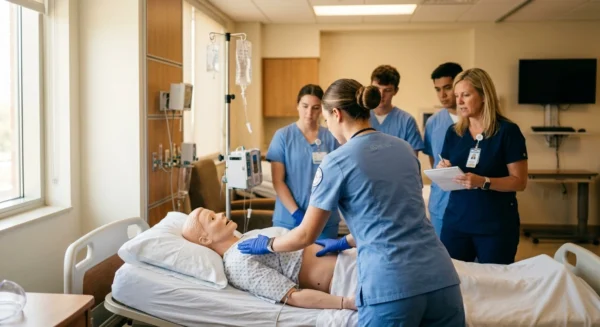
When exploring nursing specialties as a career path, it’s clear they offer a powerful combination of personal fulfillment, professional growth, and financial stability. From high-paying advanced practice roles to emerging specialties in tech-driven healthcare, today’s nurses have more options than ever. Whether you’re a student planning your career or a registered nurse seeking a new direction, understanding which nursing specialties are in highest demand can help you make smarter long-term decisions.
Why Nursing Specialties Are More Important Than Ever
The healthcare landscape is rapidly shifting due to technological advancements, an aging population, and evolving patient needs. As this transformation unfolds, nursing specialties have become critical for improving patient outcomes and ensuring healthcare systems operate efficiently. Specialized nurses not only help fill care gaps but also bring advanced expertise that elevates hospital performance and community wellness.
In both metro areas like Seattle and rural regions across the Midwest, demand has surged for nurses trained in specific fields—such as psychiatric care, informatics, and critical care. Specializing allows nurses to align clinical passions with higher salaries and job security.
Let’s dive into the most promising nursing specialties for salary potential, job growth, and meaningful impact—based on U.S. Bureau of Labor Statistics data and real-world workforce trends through 2032.
Nurse Anesthetist (CRNA): Expertise That Commands Top Pay
Certified Registered Nurse Anesthetists (CRNAs) top the list of high-paying nursing specialties. These advanced practice nurses manage anesthesia during surgeries and emergency procedures, requiring precision, autonomy, and specialized training.
- Average salary: $203,090 per year
- Job growth (2022–2032): 9% (faster than average)
- Required education: Master’s or doctoral degree in nurse anesthesia
States like Oregon and Colorado offer independent practice authority for CRNAs, increasing both flexibility and earning power. With this field’s rigorous training comes significant reward—in pay, impact, and career independence.
Nurse Practitioner (NP): One of the Fastest-Growing Nursing Roles
As a versatile and autonomous role, the Nurse Practitioner (NP) is a standout among modern nursing specialties. NPs often serve as primary care providers and are authorized to diagnose, prescribe, and manage care with a high level of independence.
- Average salary: $125,900 per year
- Job growth (2022–2032): 45% (much faster than average)
- Required education: MSN or DNP
From urgent care clinics in Austin, Texas, to mobile health units in underserved communities, NPs are filling urgent provider gaps nationwide. Specializations include pediatrics, family medicine, mental health, and acute care.
Clinical Nurse Specialist (CNS): Driving Evidence-Based Change
Clinical Nurse Specialists integrate advanced clinical training with leadership in hospital settings. Focused on quality care and education, CNSs influence outcomes without direct patient management—which makes them ideal for nurses passionate about systemic improvements.
- Average salary: $115,000–$135,000 per year
- Job growth: Moderate but expanding in advanced institutions
- Required education: MSN or DNP with CNS certification
Hospitals renowned for research—such as Mass General in Boston—often recruit CNSs to roll out new protocols and mentor staff. It’s a meaningful career path for nurses drawn to leadership and clinical innovation.
Informatics Nurse: Bridging Clinical Care and Digital Technology
For nurses interested in technology, informatics is one of the most future-proof nursing specialties. These professionals optimize electronic health records (EHRs), support clinical decisions through data, and streamline patient care delivery systems.
- Average salary: $98,000–$120,000 per year
- Job growth: High, especially in tech-driven health systems
- Required education: BSN minimum; certifications or MSN preferred
Tech hubs like Raleigh-Durham offer abundant roles in health IT startups and hospitals. If you enjoy solving problems and collaborating across teams, informatics offers long-term growth and indirect patient care.
Travel Nurse: High Pay and Geographic Freedom
Travel nursing offers the opportunity to leverage your RN credentials across short-term assignments around the country. While not a traditional “specialty,” the combination of flexibility and high compensation puts it on par with top-paying nursing paths.
- Average salary: $95,000–$130,000 per year
- Job growth: Strong due to national nurse shortages
- Required education: ADN or BSN with active licensure
Whether staffing a rural Idaho ER or a New York City ICU, travel nurses fill urgent care needs and often receive full benefits, lodging stipends, and relocation pay. It’s a great option for adventurous nurses seeking variety and financial reward.
Pediatric Nurse: Supporting Young Patients and Families
Pediatric nursing focuses on treating infants, children, and adolescents in hospitals, schools, and outpatient clinics. It combines clinical care with emotional intelligence and developmentally appropriate communication.
- Average salary: $75,000–$100,000 per year
- Job growth: Steady, especially in underserved pediatric systems
- Required education: ADN or BSN; pediatric certification preferred
Institutions like Children’s National and Lucile Packard Children’s Hospitals offer robust opportunities for pediatric nurses to specialize in areas like cardiology, oncology, and NICU care. This field is ideal for nurses drawn to long-term impact and youth advocacy.
Oncology Nurse: Making a Difference Through Every Stage of Cancer
Oncology nursing blends clinical excellence with compassionate care. These nurses support patients throughout the cancer continuum—delivering treatment, managing symptoms, and offering emotional support during difficult times.
- Average salary: $85,000–$110,000 per year
- Job growth: Increasing with cancer rates and treatment innovation
- Required education: BSN; Oncology Certified Nurse (OCN) preferred
Leading treatment centers like MD Anderson and Memorial Sloan Kettering rely on skilled oncology nurses for patient-centered care. This specialty is suited for emotionally strong nurses committed to helping individuals through profound life changes.
How to Choose the Right Nursing Specialty
With hundreds of nursing specialties available, choosing the right one isn’t just about money or prestige—it’s about alignment with your personality, values, and lifestyle goals. To narrow your choices, ask yourself:
- Do I thrive in high-pressure environments or prefer steady, long-term care relationships?
- Am I willing to pursue further education and certifications?
- Do I want to work directly with patients or behind the scenes in leadership or tech?
Make the most of clinical rotations, shadowing experiences, and regional job outlook data. For example, remote areas may be seeking family nurse practitioners, while metropolitan areas may value informatics skills. Matching your passions with employer needs is key to long-term satisfaction.
Launch Your Career in a High-Demand Nursing Specialty
The rise of specialized care has transformed how healthcare systems function—and with it, the roles nurses play. Whether you’re drawn to high-paying technical paths like CRNA or mission-driven roles like pediatric or oncology nursing, the right specialty can advance your career in ways that match both your heart and your ambitions. Evaluate your goals carefully, research local demand, and take bold steps toward the nursing specialties that make you feel both confident and inspired.