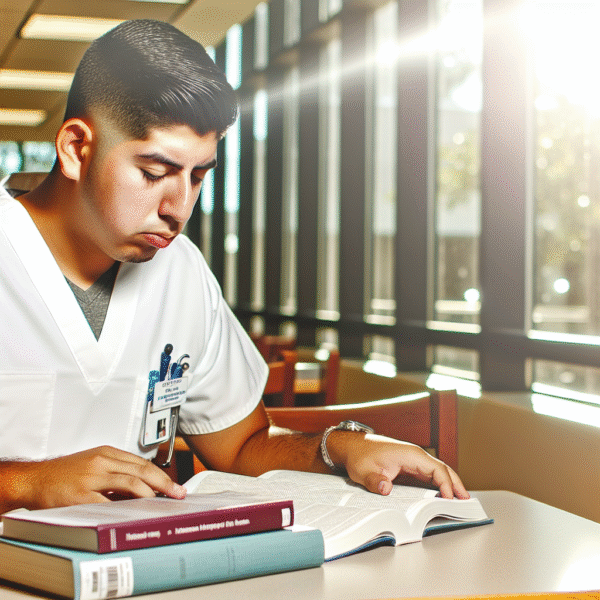
Non traditional nursing students are transforming today’s diverse nursing classrooms. These dedicated individuals return to school later in life—often after raising families, changing careers, or serving in the military. They bring valuable life experience, resilience, and a strong commitment to entering a field in critical need. As the U.S. faces an ongoing nursing shortage, non traditional students are stepping up to meet the challenge and shape the future of healthcare.
Who Are Non Traditional Nursing Students?
Non traditional nursing students are typically aged 25 or older and come from a wide range of backgrounds. Many have children, full- or part-time jobs, or previous degrees in non-nursing fields. Some are military veterans using education benefits, while others are pursuing a new purpose after years in unrelated careers or as stay-at-home parents. What unites them is the choice to begin a demanding and rewarding nursing journey, often with more clarity and purpose than traditional students.
This diverse student demographic includes:
- Single parents balancing coursework with child-rearing responsibilities
- Individuals with prior degrees entering accelerated second-degree BSN programs
- Veterans transitioning into nursing roles through dedicated pathways
- Midlife career changers and retirees exploring a second career in healthcare
Educational institutions now offer tailored options, including online courses, part-time programs, and accelerated degrees, to make nursing education more accessible for these committed learners.
Common Challenges Non Traditional Nursing Students Face
Despite their strengths, non traditional nursing students often encounter unique obstacles. Juggling life responsibilities with the rigors of nursing school requires exceptional time management and support. Understanding these hurdles is key to creating solutions that enhance their academic success.
- Family and caregiving: Many students must coordinate childcare and household duties alongside their studies.
- Employment demands: Working part-time or full-time limits time for study, clinical hours, and rest.
- Technology disparities: Adapting to virtual simulations and learning platforms can be a challenge for those who’ve been out of school for years.
- Academic confidence: Returning students may feel intimidated by younger classmates with recent academic experience.
Consider Maria, a 42-year-old mother from Sacramento. After her children entered high school, she pursued an Associate Degree in Nursing (ADN). Initially unfamiliar with online platforms like Moodle, she overcame the challenge using free tutorials and later became a tech resource for her cohort. Her journey illustrates how perseverance and support can turn difficulties into strengths.
Support Systems Empowering Non Traditional Nursing Students
Non traditional nursing students thrive when provided with targeted support. Many schools recognize this and now offer resources designed specifically for adult learners. These supports reduce barriers and foster educational success.
Common initiatives include:
- Flexible scheduling: Evening, weekend, and hybrid classes allow students to manage education alongside other duties.
- Specialized advising: Academic advisors trained to work with adult learners provide ongoing guidance.
- Childcare solutions: Colleges like Portland Community College offer on-campus childcare to support student parents.
- Veteran support: Institutions such as Texas State University provide VA liaisons and pathways for military medics.
- Peer mentoring: Mentorship programs connect new students with experienced peers for advice and encouragement.
At the University of Utah’s College of Nursing, student parent and veteran support groups create a sense of belonging, while informal study groups often form organically, strengthening community and collaboration.
Success Strategies for Non Traditional Nursing Students
Balancing nursing school with life’s responsibilities takes planning and perseverance. These strategies can help non traditional nursing students navigate their educational journey effectively.
- Lean on your support system: Share your goals and schedule with family and friends to gain help when you need it most.
- Use available academic tools: Don’t hesitate to access tutoring centers, writing labs, and faculty office hours.
- Simplify your lifestyle: Streamline daily chores and routines to focus energy on studying and clinical prep.
- Optimize mobility: Use portable tech and noise-canceling headphones to review materials on the go.
- Maintain open communication: Let instructors know early about scheduling needs or emergencies.
Membership in professional groups such as the National Student Nurses’ Association (NSNA) and the American Nurses Association (ANA) also provides crucial networking and scholarship opportunities specifically for adult learners.
Real-Life Success Stories
The path may differ, but non traditional nursing students consistently demonstrate success. Their life experiences provide insights that enhance patient care and deepen classroom discussions.
James, a 38-year-old former paramedic from Denver, applied his emergency response background in an accelerated BSN program at the University of Colorado Anschutz Medical Campus. His real-world experience gave him confidence in clinical settings.
In another inspiring story, Lila, once a retail manager in Asheville, enrolled in an RN-to-BSN program after completing her ADN. Initially concerned about entering the nursing field at 50, she quickly realized her communication skills and empathy were invaluable assets.
These examples reflect the broad potential and expertise non traditional students bring to the profession.
Flexible Programs for Adult Learners
Colleges and universities nationwide now tailor programs specifically for non traditional nursing students. Whether you hold a prior degree or need part-time options, there’s likely a path that fits your lifestyle and schedule.
- Accelerated BSN (ABSN): Programs like Emory University’s allow students with non-nursing degrees to earn a BSN in 12–16 months.
- Online RN-to-BSN: Schools such as Western Governors University offer fully online pathways for working RNs looking to advance their careers.
- Part-time ADN and BSN tracks: Ideal for adult learners or adults with work obligations, part-time options, like those at Anne Arundel Community College, extend completion timelines without halting employment.
- Veteran-to-nurse programs: At Texas A&M-Corpus Christi, military medics receive advanced placement and credit toward their degrees.
Explore tools like the American Association of Colleges of Nursing (AACN) program directory to compare formats and connect with admissions teams who understand your goals.
Nursing Careers After Graduation
Graduating from nursing school is just the beginning. Non traditional nursing students often enter the workforce with qualities employers value—maturity, discipline, problem-solving, and empathy.
Organizations like Mayo Clinic, Cleveland Clinic, and Kaiser Permanente are actively recruiting diverse candidates, including career changers. Hospitals in family-friendly cities such as Birmingham and Orange County also provide supportive residency options for new nurses transitioning from other careers.
These entry programs ease the shift to full-time clinical practice, allowing adult graduates to excel as confident, capable nurses. Many go on to become nurse leaders, educators, or advanced practice nurses, continuing to enrich the profession through their diverse experiences.
Conclusion: Nursing School Success at Any Age
Starting a nursing career later in life isn’t a setback—it’s often a strength. Non traditional nursing students bring valuable wisdom, empathy, and dedication to the profession. With flexible academic programs, strong support networks, and a commitment to patient-centered care, they are redefining who becomes a nurse and what success looks like.
Whether you’re a parent, a veteran, a career changer, or someone seeking new meaning, remember: the nursing profession welcomes your story. Your journey may be nontraditional, but in nursing, it’s exactly what many patients—and the profession itself—need most.