Nursing school prerequisites are the essential first step on the path to becoming a registered nurse. Before students can wear scrubs and step into clinical care, they must complete foundational courses in science, math, and communication. Whether you’re a hometown hopeful or a world-traveling career changer, mastering these courses sets the stage for long-term success in healthcare.
What Are Nursing School Prerequisites?
Simply put, nursing school prerequisites are college-level courses that prepare future nurses for the academic and clinical challenges of a nursing program. These prerequisites typically include coursework in biology, chemistry, psychology, math, and English—subjects that build the scientific knowledge and communication skills crucial for patient care.
Prerequisite requirements vary by nursing program and state, but most nursing schools require a standard set of classes. These core courses lay the groundwork for everything from medication administration to bedside empathy. Below is a clear breakdown of what to expect—and how to navigate them successfully.
Essential Science Courses for Nursing Students
Science courses form the heart of most nursing school prerequisites. These classes provide the biological framework you’ll need to understand the human body, disease processes, and clinical interventions.
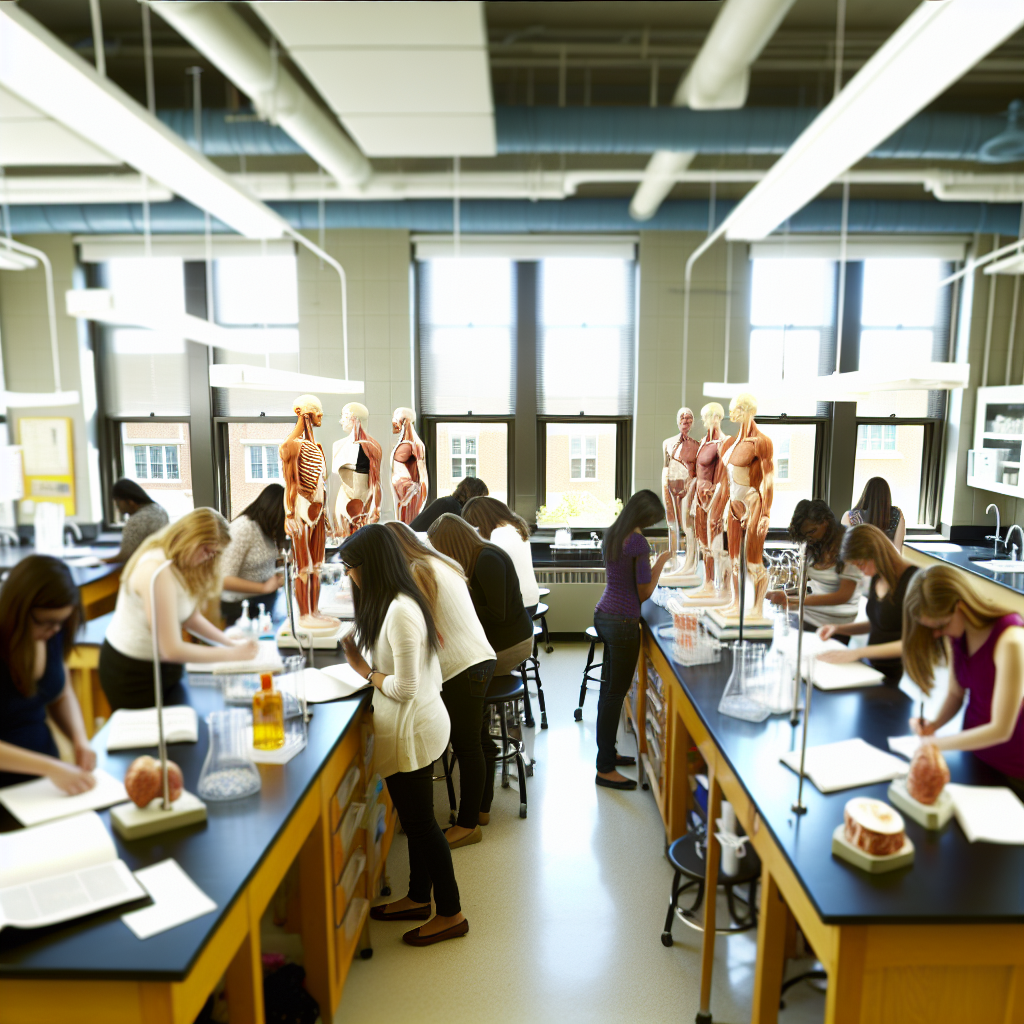
- Anatomy & Physiology I and II: These courses explore every system of the human body in depth. Labs involve hands-on work with models or biological specimens. Affordable options are available through schools like Los Angeles City College and City College of San Francisco.
- Microbiology: Study bacteria, viruses, and other microorganisms—critical for understanding infection control. Seek programs that align coursework with clinical safety protocols.
- Chemistry: A semester of general or organic chemistry helps explain how medications work in the body. In Boston, Bunker Hill Community College offers flexible evening classes ideal for working adults.
Since most programs require a minimum grade (usually a B or better), consider spacing out these courses if you’re balancing school with work or family. Strong grades here will support your application’s strength.
Math and Communication Skills You’ll Rely On
Strong math and communication abilities are critical for accurate, compassionate nursing. These subjects help nurses deliver information clearly and calculate treatments with precision.
- Mathematics: College-level algebra or statistics are common prerequisites. If you’re considering a future in research or public health, statistics is especially useful. Seattle Central College offers hybrid statistics courses with flexible scheduling.
- English Composition: Clear writing helps nurses document care and communicate medical information effectively. Writing labs or on-campus tutoring, like those at San Diego Mesa College, can offer extra support.
- Public Speaking or Communications: These classes build teamwork and interpersonal confidence—both critical in fast-paced clinical environments. Online options are widely available, but in-person participation often yields faster improvement.
These foundational courses promote strong interpersonal care, especially in diverse communities. In cities like Miami or Los Angeles, communication across cultures can elevate patient trust and outcomes.
Psychology and Social Sciences: A Deeper Human Connection
Nursing school prerequisites often include psychology and social sciences to develop emotional intelligence and cultural awareness. These skills are vital for empathetic, inclusive care.
- General Psychology: Examine human behavior, stress, emotion, and relationships—all seen frequently in patient care.
- Developmental Psychology: Track human growth from infancy through old age to better understand care needs across the lifespan.
- Sociology or Cultural Anthropology: Although not always required, these classes offer insight into the cultures, religions, and economic situations that affect health outcomes. They’re especially helpful in urban centers like New York and Houston.
If you’re traveling the East Coast, a stop at the National Museum of Health and Medicine in Maryland can add historical perspective to what you’re learning about psychology and human care.
Tips for Non-Traditional Students and Mobile Learners
Many future nurses are returning students, parents, or frequent travelers. Fortunately, there are flexible ways to meet nursing school prerequisites without putting your life on hold.
- Online Courses: Look into accredited platforms like Portage Learning or StraighterLine for online science and general education classes. Be sure to verify whether your target nursing school requires in-person labs.
- Community Colleges on the Road: Traveling through Colorado? Front Range Community College offers open-enrollment science courses suited for nomadic students.
- Accelerated Bridge Programs: If you already have a bachelor’s degree, schools like the Yale School of Nursing and the University of Washington School of Nursing offer fast-track MSN programs with condensed prerequisites.
In the Southwest, students interested in cultural healthcare should check out the nursing programs at Navajo Technical University. Their curricula blend nursing science with traditional tribal health practices for a well-rounded education in community health.
Building Your Timeline for Success
Most students complete nursing school prerequisites in 12 to 24 months, depending on their schedules and past education. Keep in mind that many nursing programs require prerequisite courses to have been completed within the past 5 to 7 years, especially science classes.
A typical schedule might look like:
- Fall Year 1: English Composition, General Psychology, Algebra
- Spring Year 1: Anatomy & Physiology I, Public Speaking, Developmental Psychology
- Summer Year 1: Anatomy & Physiology II, Sociology
- Fall Year 2: Microbiology, Chemistry, Statistics
Community colleges like Austin Community College or Portland Community College provide flexible class formats—ideal for students who are juggling work, parenting, or frequent travel. Look for part-time or hybrid options to reduce pressure while staying on track.
Start Your Nursing Journey with Confidence
Completing your nursing school prerequisites is not just a box to check—it’s your gateway to a meaningful, dynamic career making a real difference. These early courses shape your understanding, fuel your passion, and prepare you for the challenges of nursing school and beyond.
Take time to choose the right courses, invest in strong study habits, and make use of online options and community resources. Whether you’re learning in the classroom or on the move, your future in nursing starts with smart planning and committed preparation.
Get ready to embrace the science, master the math, and fine-tune your communication—your journey to becoming a nurse truly begins here.